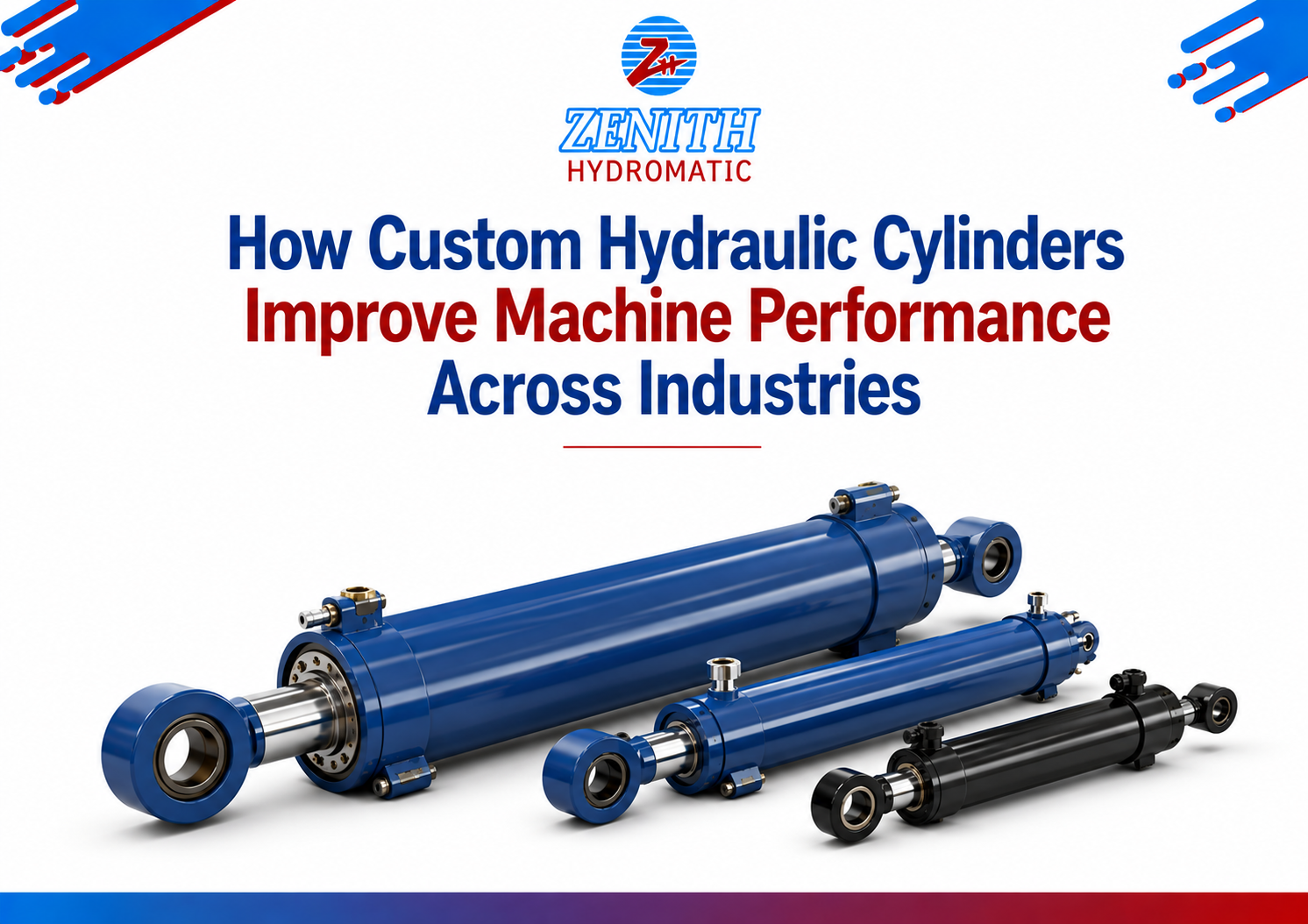
A machine only performs as well as the components driving it. When it comes to lifting, pushing, or pressing, that usually comes down to the cylinder, and a poorly matched one holds a machine back more than most people realize.
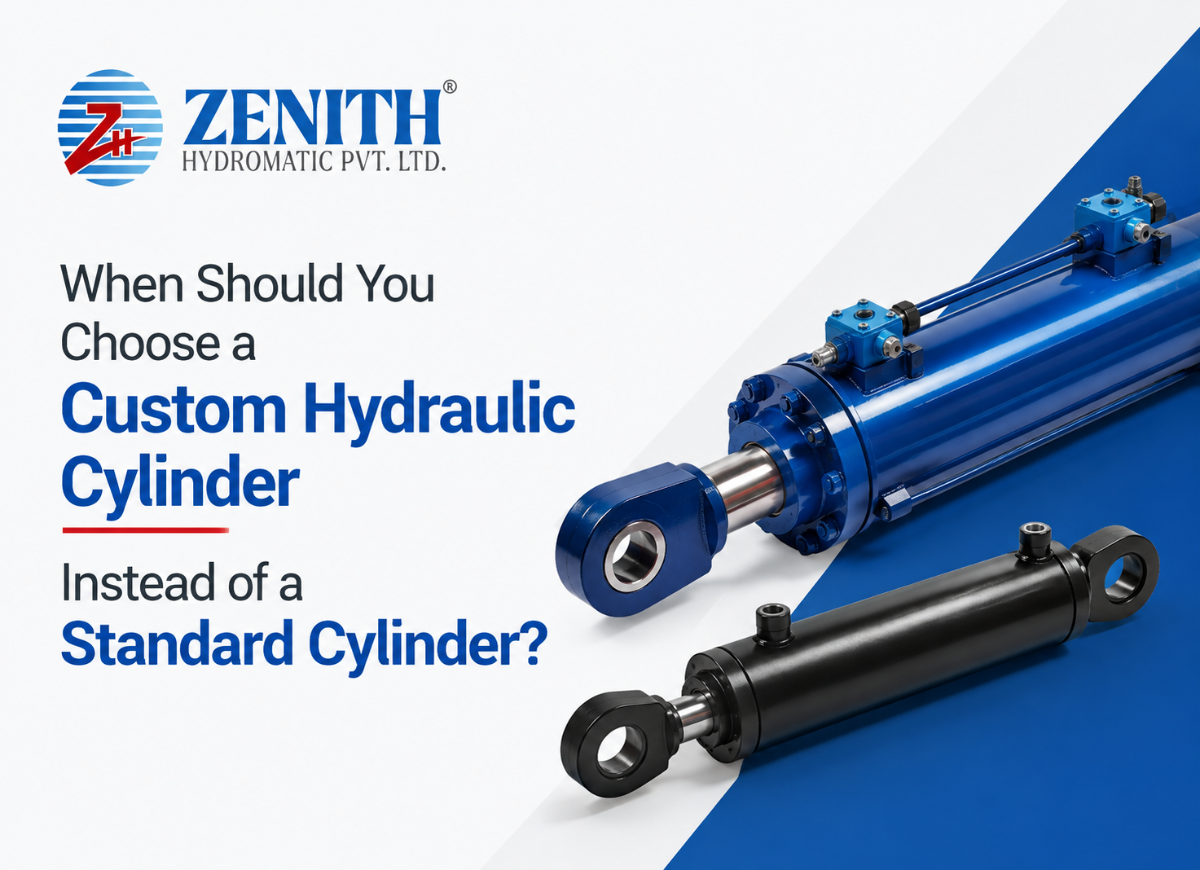
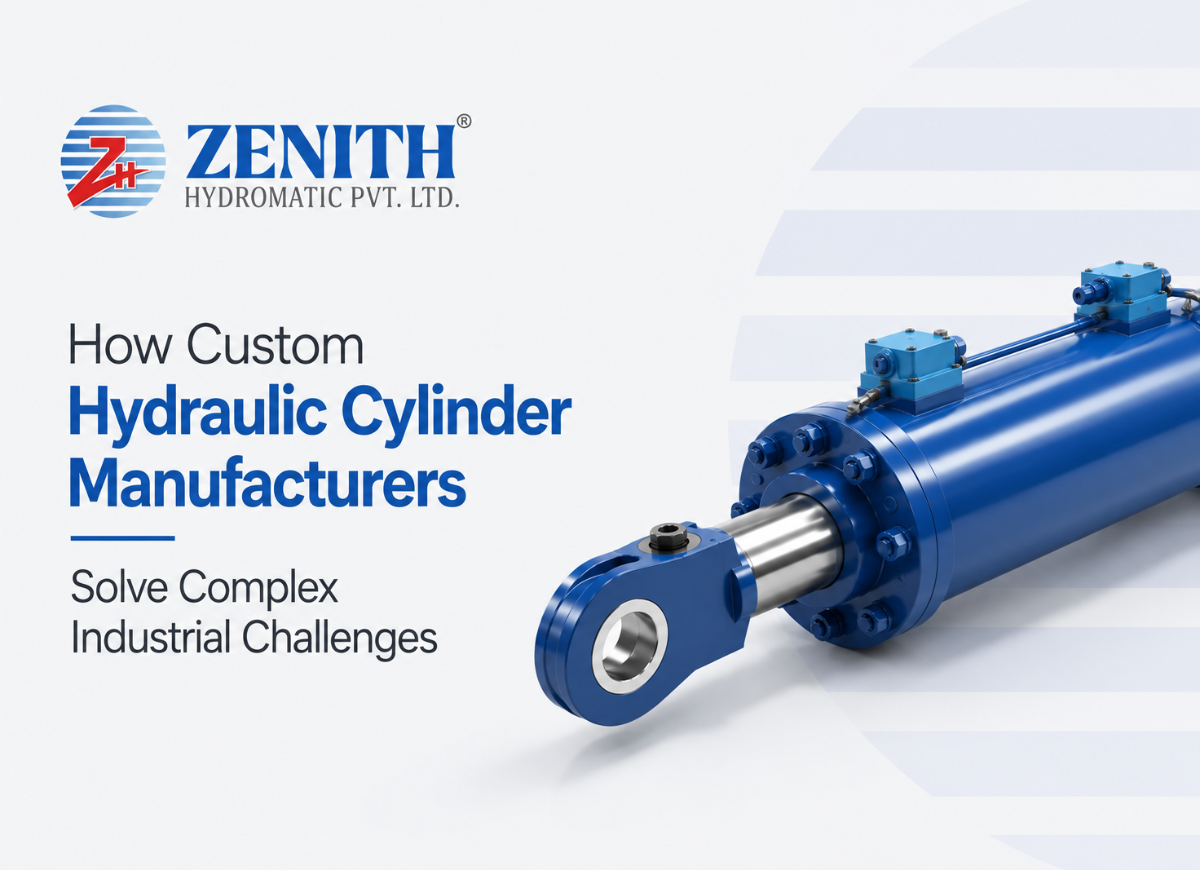
A custom hydraulic cylinder is built around one machine’s exact load, speed, and space requirements instead of a general catalog spec. That difference shows up directly in performance, wear, and downtime.
This article covers how customization actually improves machine performance, where the gains show up across industries, and what to check before choosing a manufacturer.
What Makes a Hydraulic Cylinder “Custom”?
A custom hydraulic cylinder is designed around specific operating conditions rather than a standard catalog size. That includes bore diameter, stroke length, mounting style, seal material, and pressure rating.
Instead of picking the closest available size and adjusting the machine to fit, engineers build the cylinder to match the machine. That small shift changes how well the whole system performs.
How Mismatched Cylinders Hurt Performance
A cylinder that’s slightly oversized, undersized, or built with the wrong seal material doesn’t fail immediately. It just performs worse, and that adds up.
- Oversized cylinders waste hydraulic energy and respond less precisely
- Undersized cylinders run at higher pressure than intended, accelerating wear
- Wrong seal materials degrade faster in heat, cold, or chemical exposure
- Poor mounting fit creates side-loading, which wears rod bushings unevenly
None of these problems show up on day one. They build gradually, which is exactly why they’re easy to underestimate until a breakdown forces the issue.
The cost of getting this wrong adds up quickly. McKinsey & Company has found that matching maintenance and component strategy to actual equipment condition, rather than a generic schedule, can cut labor, downtime, and related costs by around 30% in some operations.
Key Ways Custom Hydraulic Cylinders Improve Performance
Customization affects performance in several specific, measurable ways, not just general durability.
Precise Force and Speed Control
Bore size and rod diameter are calculated for the exact load and cycle speed needed. This gives smoother, more predictable motion instead of a cylinder that’s either sluggish or too aggressive.
Seals and Materials Matched to the Environment
A cylinder running in a foundry needs different seals than one running on a fishing trawler. Custom builds let engineers pick materials rated for the actual heat, chemicals, or salt exposure involved.
Reduced Downtime
Components built for the right load and environment fail less often. Fewer unplanned failures means fewer production stops, which matters most in continuous operations.
Longer Service Life
Cylinders operating within their designed limits wear more evenly. Rod bushings, seals, and bearings all last longer when the cylinder isn’t compensating for a poor fit.
Compact, Application-Specific Fit
Custom mounting and envelope dimensions let engineers fit a cylinder into tight spaces without forcing a redesign of the machine around a standard part.
Performance Gains Across Industries
These improvements aren’t limited to one type of machine. Here’s where they show up most.
Construction and Earthmoving
Excavator arms and loader buckets need consistent force through long, repetitive cycles. A custom cylinder sized for the actual duty cycle holds up better than a general-purpose one under that kind of repeated stress.
Manufacturing and Automation
Assembly lines and stamping presses depend on repeatable, precise motion. Even small timing inconsistencies from a mismatched cylinder can throw off an entire production cycle.
Demand for this kind of precision keeps growing. Grand View Research reports the global hydraulic cylinder market was valued at $16.82 billion in 2024 and is expected to reach $21.44 billion by 2030, driven largely by rising automation in manufacturing and construction.
Agriculture
Tractors and harvesters run in dusty, variable field conditions. Custom seals and rod coatings hold up better against contamination than a generic cylinder built for cleaner environments.
Material Handling
Forklifts and scissor lifts need smooth, controlled vertical movement for safety. Custom-sized cylinders reduce jerky motion that can put warehouse workers at risk.
Marine and Oil and Gas
Saltwater exposure and high-pressure drilling conditions both demand specialized coatings and seal materials. Standard cylinders often can’t handle either environment for long.
Rig operators and shipbuilders also tend to favor manufacturers who can prove past performance in similar conditions, since the cost of a failure offshore is far higher than on land.
Mining and Heavy Processing
Crushers, conveyors, and processing equipment run under continuous heavy load with high contamination risk from dust and debris. Custom filtration and reinforced seals help these cylinders survive conditions that would quickly wear out a standard unit.
Custom vs Standard Cylinders: Quick Comparison
Standard cylinders still make sense for simple, low-demand jobs. The table below shows where each option tends to work best.
| Factor | Custom Cylinder | Standard Cylinder |
| Fit to application | Exact match to load and space | Closest available size |
| Lead time | Longer, built to order | Available off the shelf |
| Upfront cost | Usually higher | Usually lower |
| Long-term wear | Lower, if specified correctly | Higher under mismatched conditions |
| Best suited for | Heavy-duty or unusual applications | Simple, low-demand tasks |
Choosing the Right Custom Hydraulic Cylinder Manufacturer
The design only performs as well as the manufacturer building it. A few things worth confirming before placing an order:
- Ask whether design and prototyping happen in-house or get outsourced
- Request pressure and leak test reports for your specific cylinder specification
- Confirm seal material options for your operating environment
- Check turnaround time for both first orders and repeat production runs
A number of experienced custom hydraulic cylinder manufacturer teams handle everything from design through testing under one roof, which shortens the back-and-forth that often slows down custom orders.
Businesses searching for a custom hydraulic cylinder manufacturer in ahmedabad often prioritize local support too, since faster turnaround matters when a machine is down.
It’s worth asking for reference projects in your specific industry too. A manufacturer with strong experience in construction equipment won’t necessarily have the same depth in marine or food-grade applications.
FAQs
What’s the difference between a custom and standard hydraulic cylinder?
A standard cylinder is built to a general catalog specification. A custom cylinder is designed around one machine’s exact bore, stroke, mounting, and environmental requirements.
Do custom hydraulic cylinders really improve machine performance?
Yes. Matching cylinder specifications to actual load and operating conditions reduces wear, improves motion control, and lowers the chance of unplanned failures.
Are custom hydraulic cylinders more expensive than standard ones?
Usually, yes, upfront. But the reduced downtime and longer service life often offset that cost over the life of the equipment.
How long does it take to get a custom hydraulic cylinder built?
Timelines vary with complexity, but most manufacturers need several weeks for design, fabrication, and testing.
Which industries benefit most from custom hydraulic cylinders?
Construction, manufacturing, agriculture, material handling, marine, and oil and gas all see measurable performance gains, especially where standard sizes don’t fit the operating conditions.
Can a custom hydraulic cylinder be repaired like a standard one?
In most cases, yes, especially with tie rod designs, as long as the manufacturer keeps records of the original specification for replacement parts.
What information does a manufacturer need to build a custom cylinder?
Typically, the required bore and stroke, operating pressure, mounting style, environmental conditions, and duty cycle. More detail upfront means fewer revisions later.
Key Takeaways
- A custom hydraulic cylinder is built around a machine’s exact load, speed, and environmental needs, not a general catalog size
- Mismatched cylinders waste energy, wear faster, and increase the risk of unplanned downtime
- Performance gains show up in force control, seal life, and overall machine reliability
- Construction, manufacturing, agriculture, material handling, marine, and oil and gas all rely on custom builds for demanding conditions
- Manufacturer experience, in-house testing, and seal material options matter as much as the design itself
Conclusion
A machine can only perform as well as its weakest component, and a poorly matched cylinder is a common one to overlook.
Building around the actual application, instead of the nearest catalog size, is what turns a hydraulic system from adequate into reliable.
If you’re specifying a cylinder for demanding equipment, working with an experienced manufacturer like Zenith Hydromatic can help you get the design right the first time and avoid costly rework later.